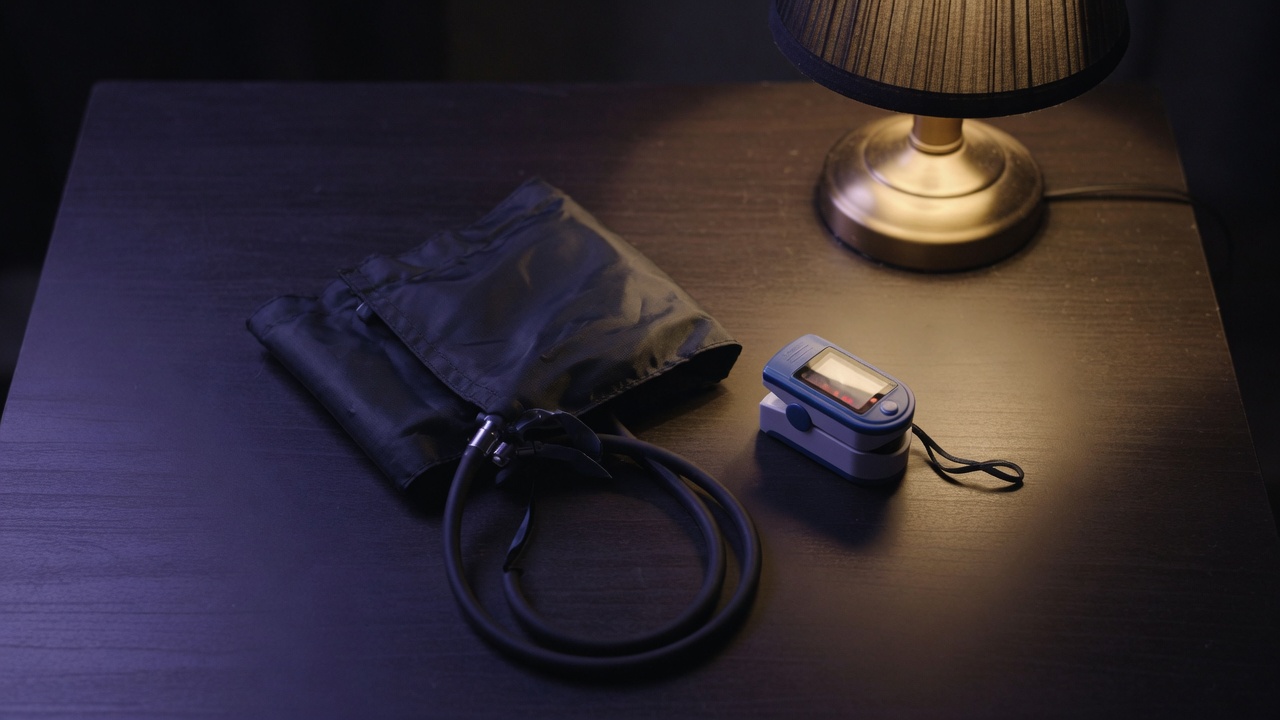
Is a racing heart fear, or is fear what you call a racing heart in a dark alley?
Theories split. James–Lange says the feeling follows the body’s response. Cannon–Bard says the feeling and the body respond in parallel. The two-factor theory (Schachter & Singer) says emotion is arousal plus a cognitive label (Myers & DeWall, 2021; Spielman et al., 2020). A heart-rate monitor is apparatus. Fear is the construct. The alley is context for the label.
When does a demand become stress?
When it is appraised as taxing or exceeding resources. Selye’s general adaptation syndrome names a physiological pattern: alarm, resistance, exhaustion. Figure 16.1 places the three classic emotion theories in one table so a later paper that records heart rate can be asked which theory the authors think they are testing. This is education about constructs, not a clinic.
| Theory | Where the feeling comes from |
|---|---|
| James–Lange | After the body responds |
| Cannon–Bard | In parallel with the body, not caused by it |
| two-factor (Schachter–Singer) | Arousal plus a cognitive label of that arousal |
Check yourself with a quick quiz
A few questions on this lesson only. Questions you miss come back later. Progress stays in this browser and is shared with the full quiz.
References
- Myers, D. G., & DeWall, C. N. (2021). Psychology (13th ed.). Worth.
- Spielman, R. M., Jenkins, W. J., & Lovett, M. D. (2020). Psychology 2e. OpenStax.
Image and media credits
- Top image. A blood-pressure cuff on a desk in low light. It sets the scene for this lesson on emotion, stress, and health. Source: Created for this site with Grok Imagine (xAI), an AI image generator. License: Original image made for mattgaugerx.com.
