If a sound that never meant food now makes a mouth water, what had to happen to that sound?
The sound was paired with food until it became a conditioned stimulus. That is classical conditioning (Pavlov, as treated in Myers & DeWall, 2021; Spielman et al., 2020). Learning is a relatively enduring change from experience. The mouth-watering is the conditioned response. Before the pairings, the sound did not do that job.
If a lever-press becomes more common after food follows it, what kind of learning is that?
Operant conditioning: the behavior is changed by its consequence. Food here is reinforcement if lever-pressing increases. Observational learning is a third path: watching someone else. Figure 11.1 keeps classical and operant in separate rows so a later paper cannot call every change “conditioning” without saying which procedure ran. The Learning course will take this more slowly.
| Procedure | What is paired | What changes |
|---|---|---|
| classical | A previously neutral stimulus with an unconditioned stimulus | The stimulus comes to elicit a response |
| operant | A behavior with a consequence | The later probability of that behavior |
Check yourself with a quick quiz
A few questions on this lesson only. Questions you miss come back later. Progress stays in this browser and is shared with the full quiz.
References
- Myers, D. G., & DeWall, C. N. (2021). Psychology (13th ed.). Worth.
- Spielman, R. M., Jenkins, W. J., & Lovett, M. D. (2020). Psychology 2e. OpenStax.
Image and media credits
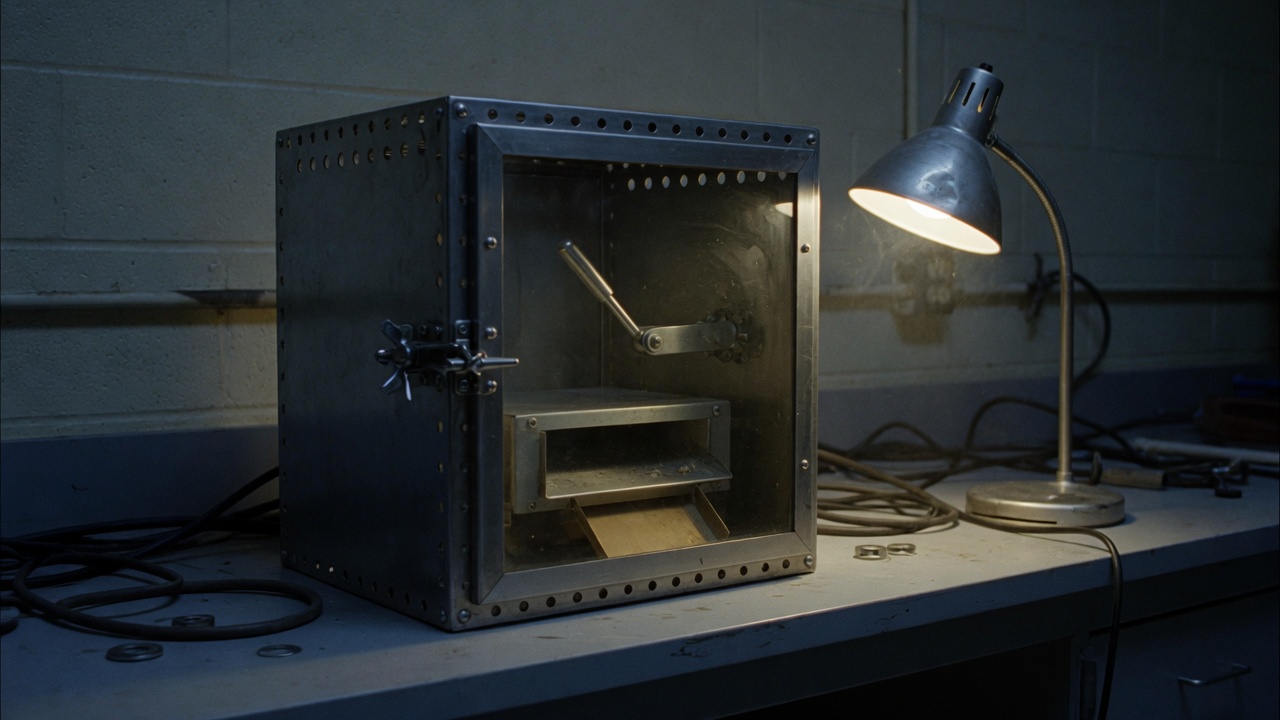
- Top image. An empty animal-learning chamber on a lab bench. It sets the scene for this lesson on learning. Source: Created for this site with Grok Imagine (xAI), an AI image generator. License: Original image made for mattgaugerx.com.
